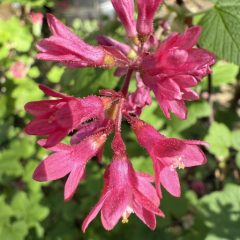
It’s Halloween! We thought it would be fun to learn about (and perhaps demystify) some of the scariest things on the bluff, because SPIDERS! So, here’s a little Halloween quiz for you. See if you can match the following scary substances with the plant or arthropod. NOTE: We haven’t actually seen black widow spiders on the bluff but they are in Oregon. Otherwise, watch out where you step and be careful what you eat!
Match each one of these substances: a. Phospholipase A (this enzyme can cause cells to rupture), b. Urushiol (found in sap of the Chinese lacquer tree and other plants), c. Juglone (think allelopathic), d. Atropine and Scopolamine (think belladonna), e. Latrotoxin (latro suggests a mercenary or bandit);
With one of these plants or Arthropod: 1. black widow spider, 2. wasp, 3. black walnut, 4. deadly nightshade, 5. poison oak.
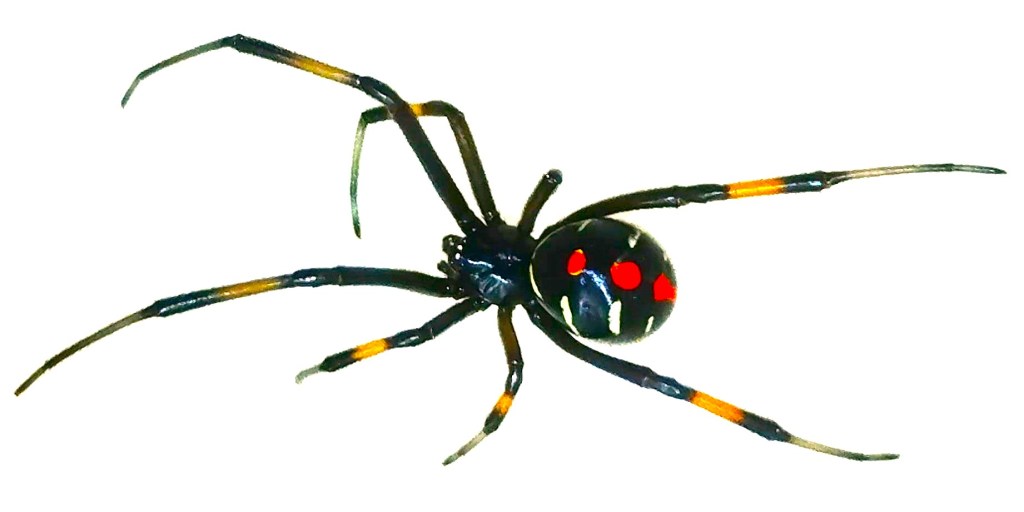
By Kazvorpal, Wikipedia
Answers: a-2, b-5, c-3, d-4, e-1. Phospholipase A, wasp and bee venom. Phospholipase A (PLA) is an enzyme found in wasp venom that can cause cell lysis (rupture) and inflammation. Urushiol, poison oak. An oily, allergenic compound found in plants of the Anacardiaceae family, including poison ivy, poison oak, and Chinese lacquer trees. Juglone, black walnut. A compound found in walnuts, hickories, and other plants that can have a variety of effects on health and the environment, and can even kill plants. Thus the black walnut is allelopathic. Atropine and Scopolamine, deadly nightshade. Atropine and scopolamine are both toxins found in the berries and leaves of the deadly nightshade plant, Atropa belladonna, which can cause hallucinations and delirium if ingested. Latrotoxin, black widow spiders. A neurotoxin found in the venom of black widow spiders. They are the most venomous spiders in North America, though their bite is rarely fatal.

 Rose City Bluff Restoration