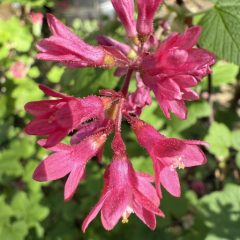
Plant phenology refers to the study of the timing of recurring biological events in plants, such as leafing, flowering, fruiting, and germination. Seasonal temperature and day length changes influence these events. Phenology is a crucial aspect of ecology because it affects various ecological interactions, including plant-pollinator relationships, species competition, and the synchronization of plant life cycles with those of herbivores. Phenological observations provide valuable insights into how plants respond to climate change. For example, earlier leafing and flowering times can indicate warming temperatures. By tracking phenological events, scientists can better understand and predict the impacts of climate change on ecosystems.
This is the time of year that our Rose City Bluff Restoration seed project volunteers are planning on what to add to the bluff, when to plant, and where plants will have the best chance to thrive. Additionally, these volunteers give much consideration to seed germination, a key factor in plant phenology. Our RCBR seed project leaders also ponder the question of environmental change. What plants might do well or not so well as the Pacific Northwest climate evolves? They are in effect engaged in the practical application of plant knowledge overlapping one of the goals of phenology, to understand how a changing environment impacts plants.
You can participate in phenology research by making phenological observations in the iNaturalist application. Your observations with phenology annotations can assist researchers who use phenology data to study climate change. You can observe plant phenology events specifically for the Bluff; RCBR maintains its own iNaturalist project. You can also make observations for plants in your yard. Since each observation has a location and date your annotation becomes phenology data for researchers.
If you would like more in-depth information on phenology, iNaturalist has a webinar which covers why phenology is so important, examples of phenology research using iNaturalist data, and how you can help by adding flower and leaf annotations.
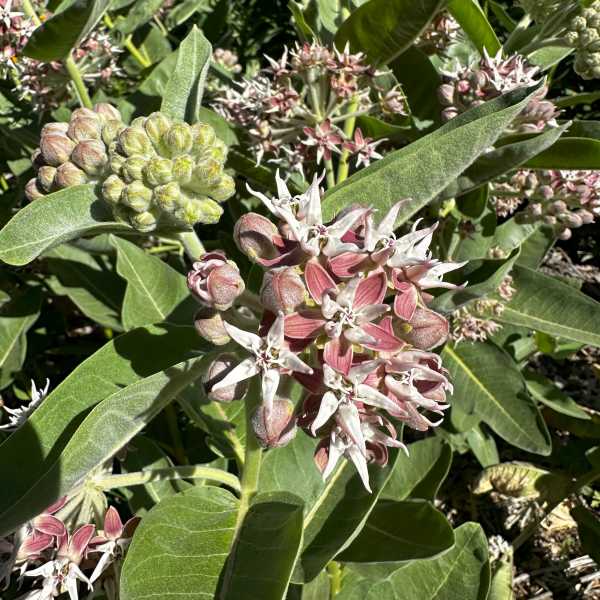

 Rose City Bluff Restoration
The mother of a longtime RCBR volunteer authored a book on the genetics of flower phenology: Blossoms.
LikeLike