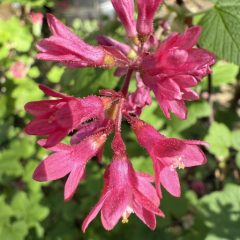
The Rose City Bluff Restoration Seed Project 2025 plant selection includes a variety of pollinator-friendly plants. The half-mile long Bluff is already somewhat of a natural pollinator pathway so the addition of more native flowering species will only help to make it more so.
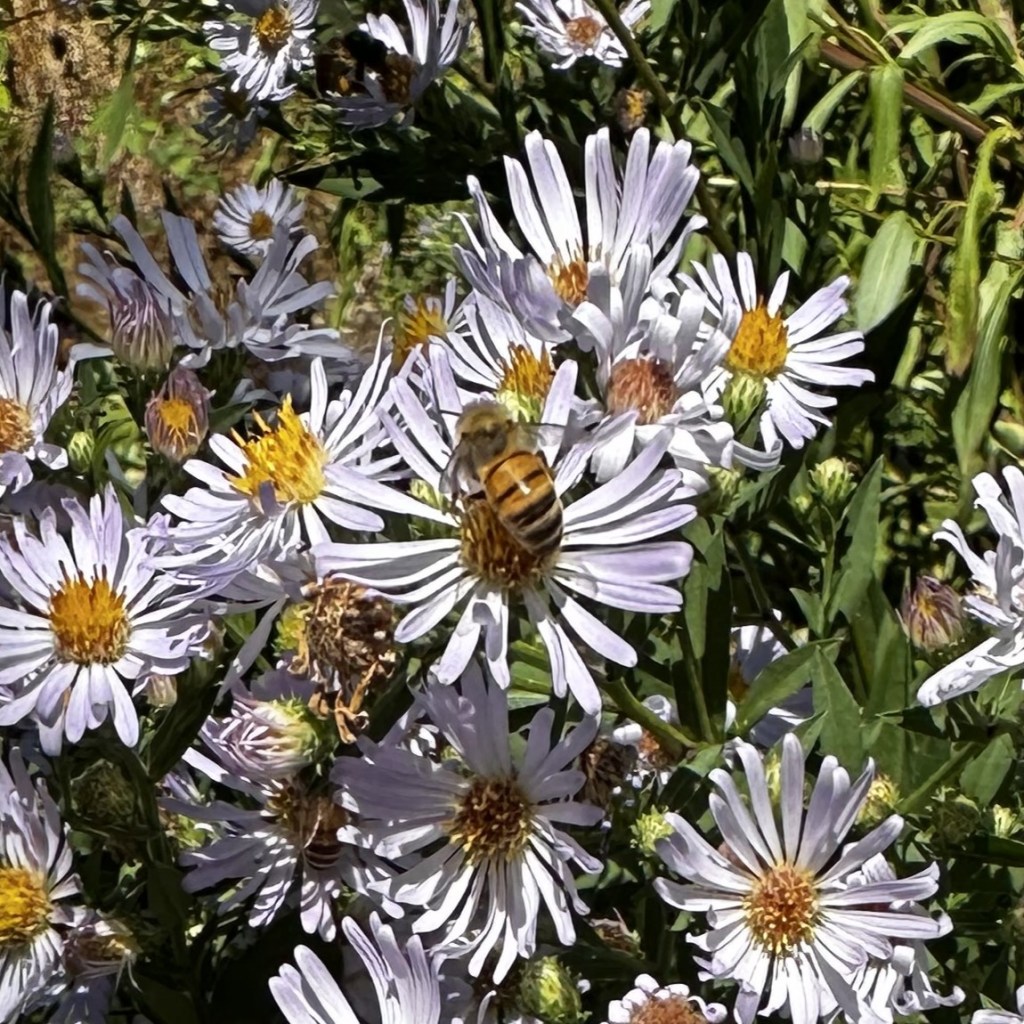
Pollinator pathways aim to create a network of habitats that support pollinators like bees, butterflies, birds, and bats. These pathways are crucial because they help sustain biodiversity and support the health of ecosystems by facilitating pollination. Pathways are habitat corridors that connect fragmented habitats. These pathways provide pollinators with the resources they need: nectar-rich plants for food; wildflowers, trees, and shrubs for nesting and shelter; and patches of undisturbed habitat where pollinators can safely reproduce.
Creating these connected pathways helps ensure that pollinators can move between areas, find food, and reproduce. This reduces the risk of inbreeding and increases genetic diversity, which is important for species resilience. Pollinator pathways are part of larger efforts to restore and conserve ecosystems. By improving the connectivity between natural areas through the creation of these pathways, we can help reverse the negative impacts of fragmentation and help maintain biodiversity.

 Rose City Bluff Restoration