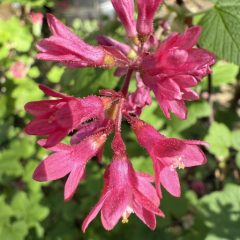
There are 1700 seed banks worldwide ranging from large, secure facilities like the Svalbard Global Seed Vault to smaller, community-based seed libraries. Seed banks play a crucial role in conserving plant biodiversity, ensuring that native species are protected for future generations. In the Pacific Northwest, where diverse ecosystems support a rich variety of flora, seed banks help safeguard rare and endangered plants.
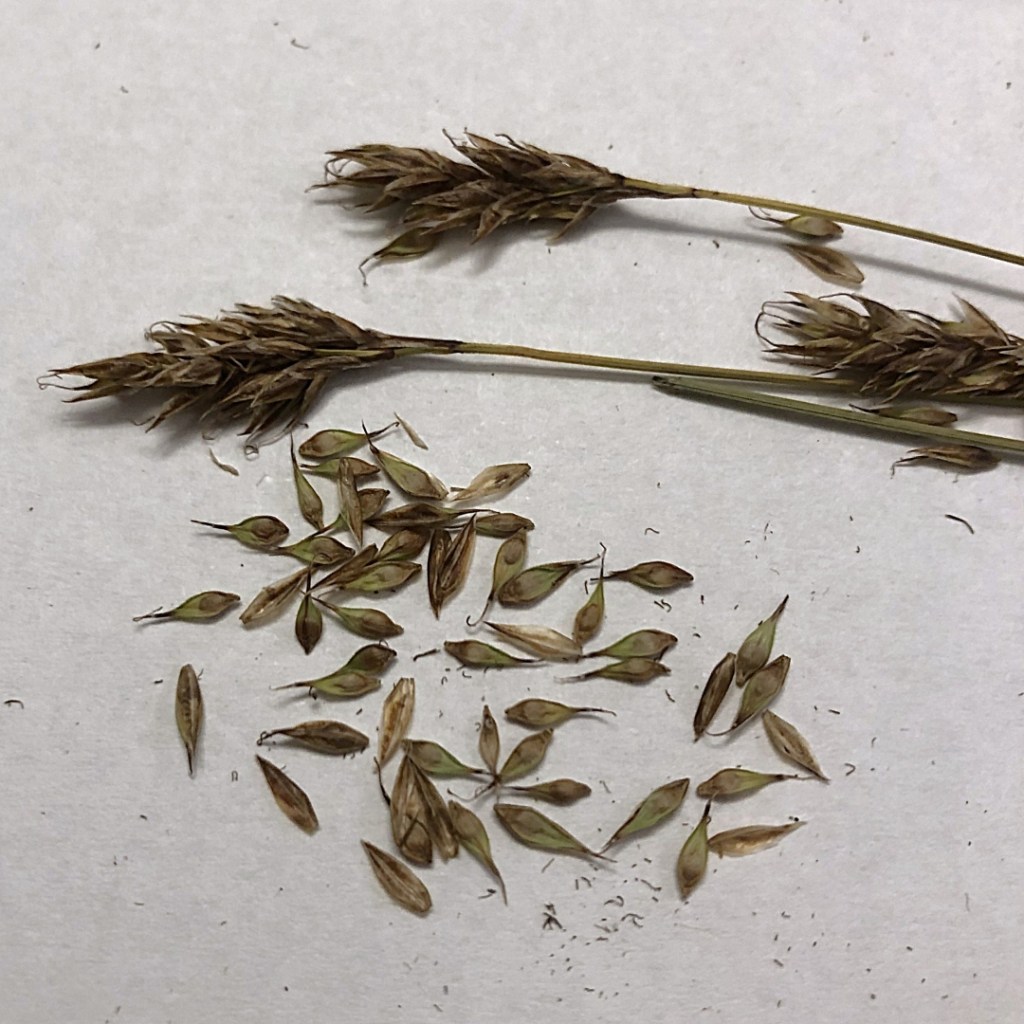
The Miller Seed Vault is the largest facility of its kind in the Pacific Northwest. It focuses on collecting and conserving seeds from more than 320 rare plant species in Washington, ensuring their survival in the face of habitat loss and climate change. The vault also stores seeds for restoration projects, helping to rebuild native plant communities after natural disasters.
At Portland State University, the Rae Selling Berry Seed Bank is committed to the conservation and restoration of Pacific Northwest native plants, with a particular emphasis on rare and threatened species in Oregon. The seed bank supports research, germination trials, and educational programs, providing valuable resources for scientists and conservationists working to protect regional biodiversity.
Beyond the Pacific Northwest, seed banks worldwide contribute to the preservation of genetic diversity. The Svalbard Global Seed Vault (aka the “doomsday” vault), located in Norway, serves as a secure backup facility for the world’s crop diversity. Carved into the Arctic permafrost, it stores duplicates of seeds from gene banks across the globe, ensuring that vital plant species are protected against threats such as war, natural disasters, and climate change.
In the United States, the National Laboratory for Genetic Resources Preservation in Fort Collins, Colorado, plays a similar role in safeguarding agricultural genetic resources. Built to withstand earthquakes, floods, long-term power outages, and fires, this facility houses more than 500,000 accessions from 12,000 plant species, providing critical support for agricultural research and conservation. (In seed collections, an “accession” refers to a distinct, uniquely identified sample of seeds.)
Seed banks are essential for maintaining biodiversity, supporting ecological restoration, and ensuring food security. By preserving native plants of the Pacific Northwest and beyond, these institutions help protect the genetic heritage of plant species, ensuring their survival for future generations. As climate change and habitat destruction continue to threaten ecosystems, the work of seed banks remains more important than ever.

 Rose City Bluff Restoration