
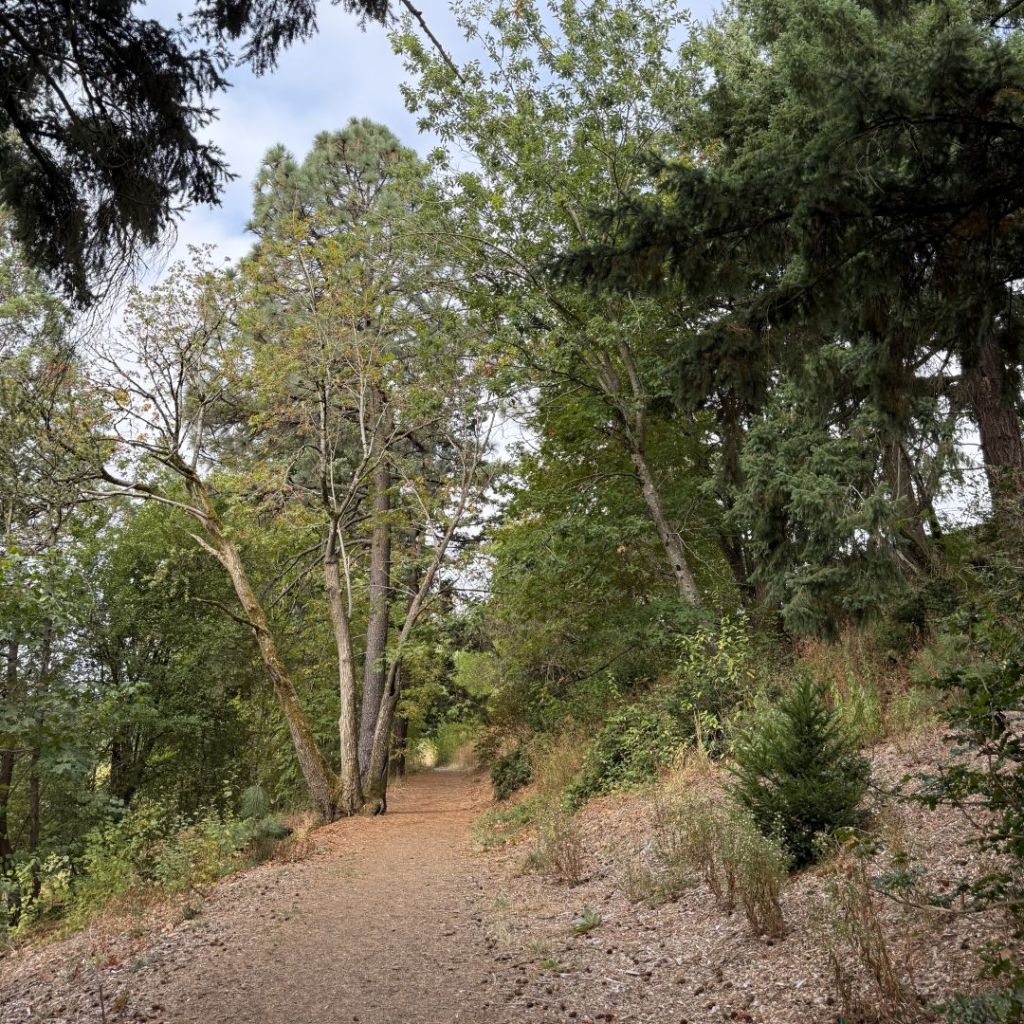
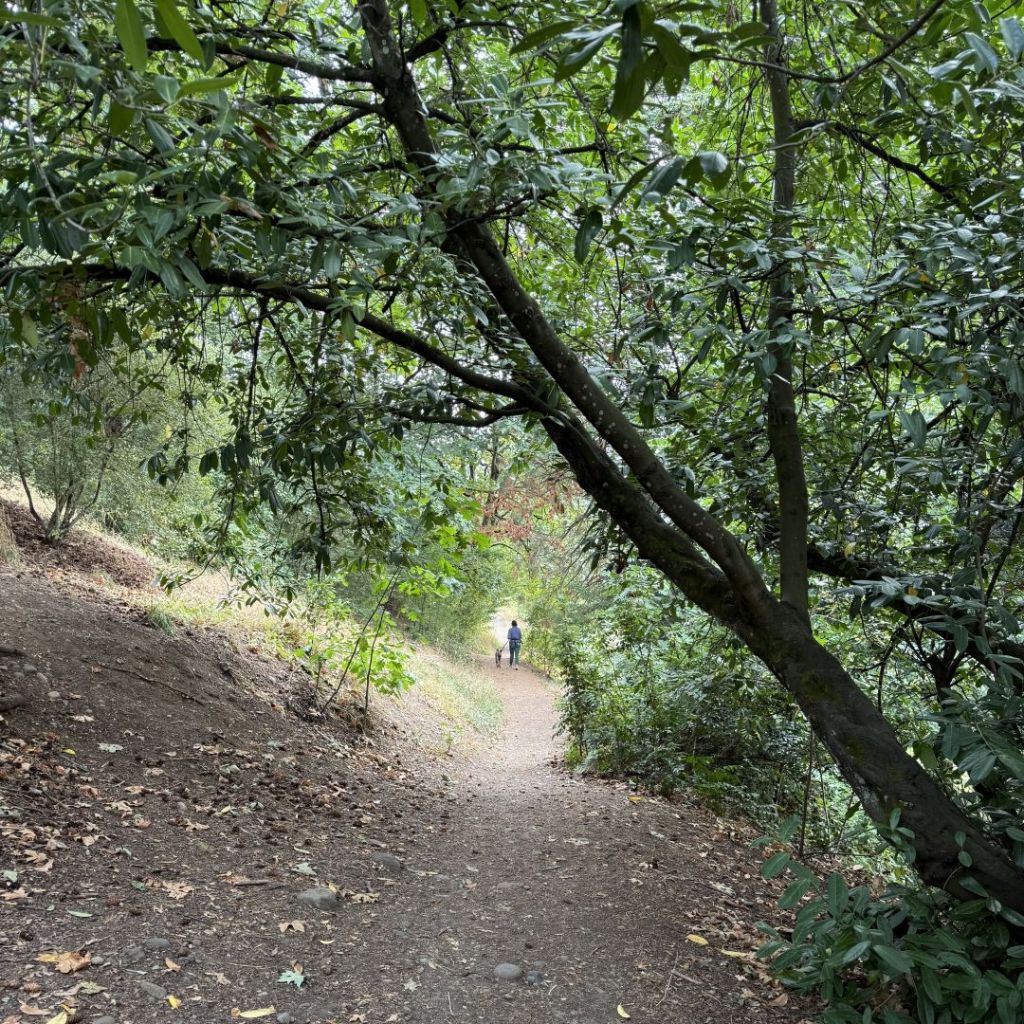
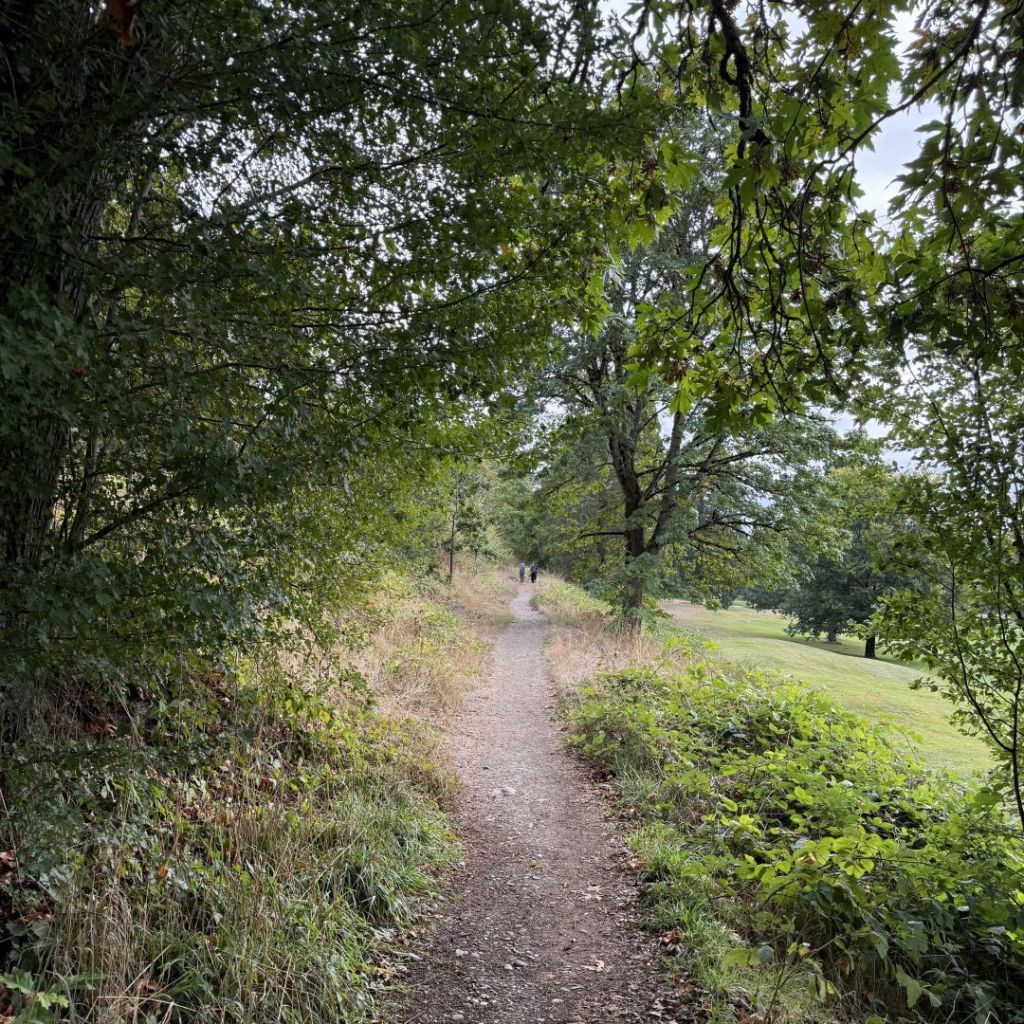
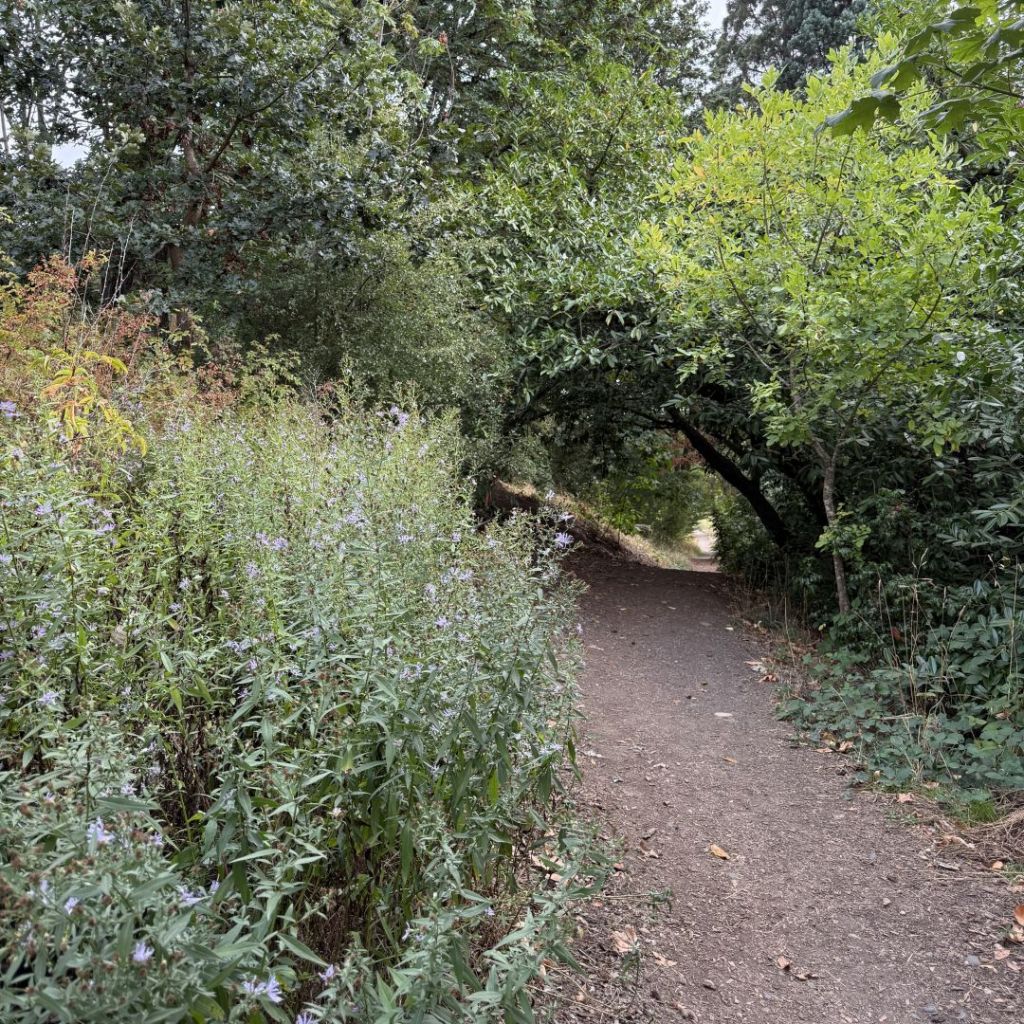
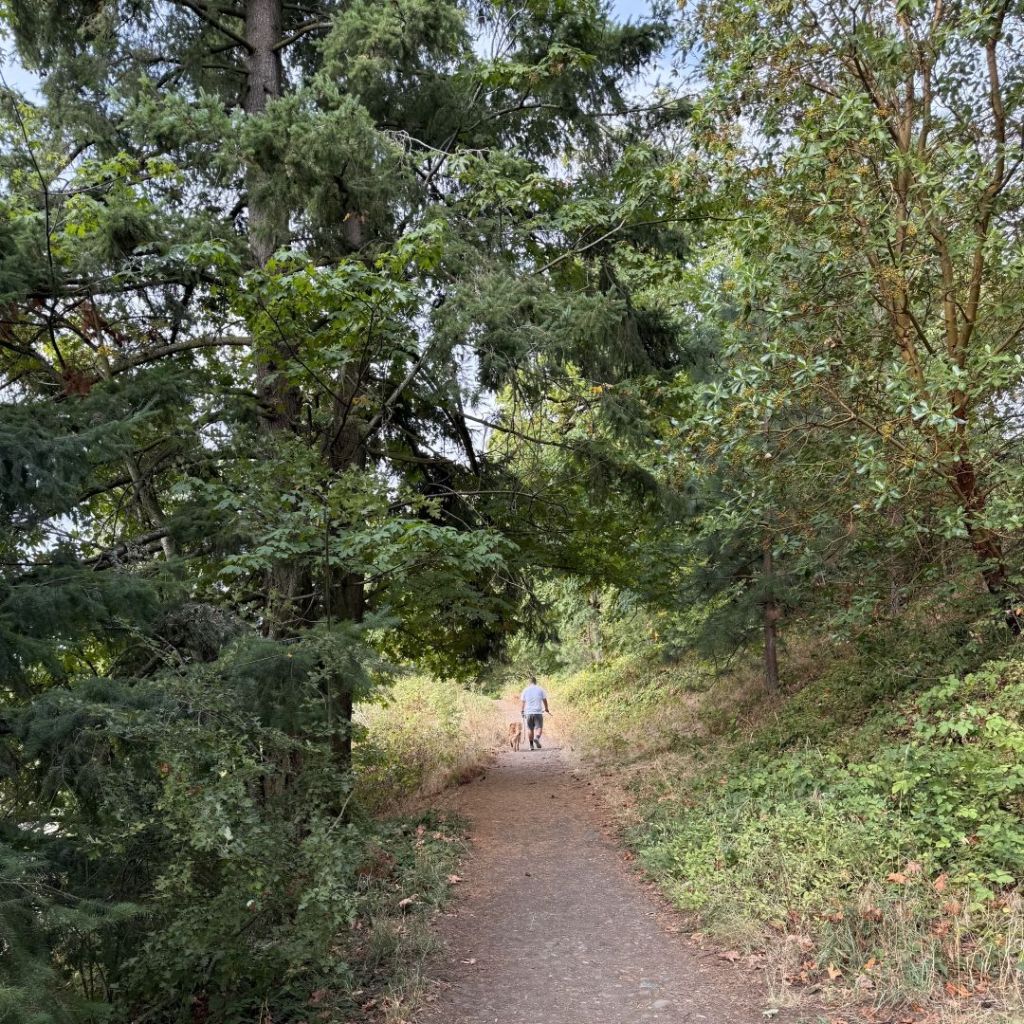
Nature, Health, and the Biophilia Hypothesis: Rose City Bluff Restoration volunteers and community members appreciate Portland’s open spaces, including the Bluff, for their beneficial effects on public health. In a review of the many benefits of connecting with nature, the International Journal of Environmental Research and Public Health found that “There is extensive empirical literature on the association between exposure to nature and health. . . We found evidence for associations between nature exposure and improved cognitive function, brain activity, blood pressure, mental health, physical activity, and sleep. Results from experimental studies provide evidence of protective effects of exposure to natural environments on mental health outcomes and cognitive function. . . The ‘biophilia hypothesis‘ posits that humans have evolved with nature to have an affinity for nature. . . Further, proponents of the biophilia hypothesis postulate that green spaces provide children with opportunities such as discovery, creativity, risk taking, mastery, and control, which positively influence different aspects of brain development.” [Associations between Nature Exposure and Health: A Review of the Evidence, Jimenez, DeVille, Elliott, Schiff, Wilt, Hart, James, and Tchounwou. International Journal of Environmental Research and Public Health. April 30, 2021. https://pmc.ncbi.nlm.nih.gov/articles/PMC8125471/]



 Rose City Bluff Restoration