Snag

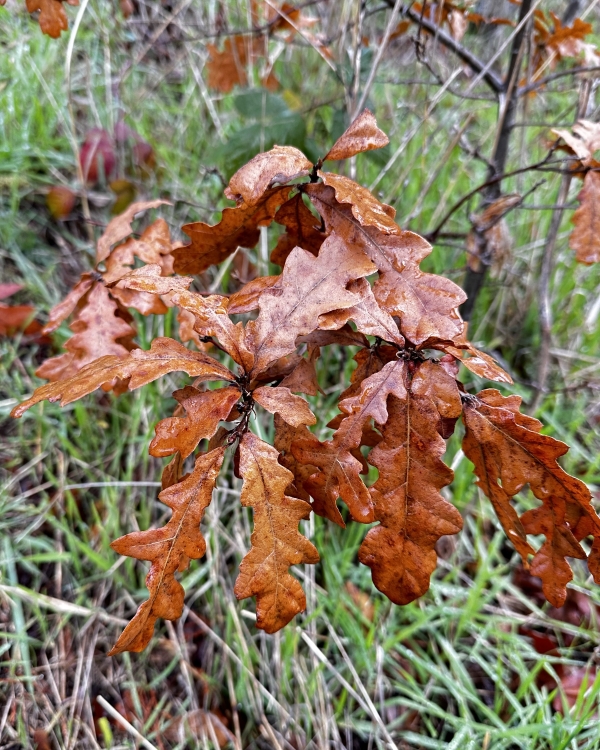
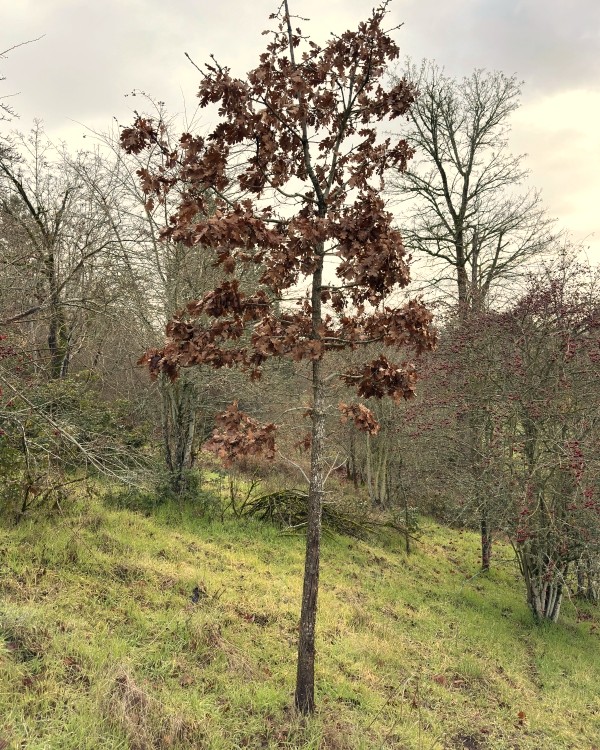
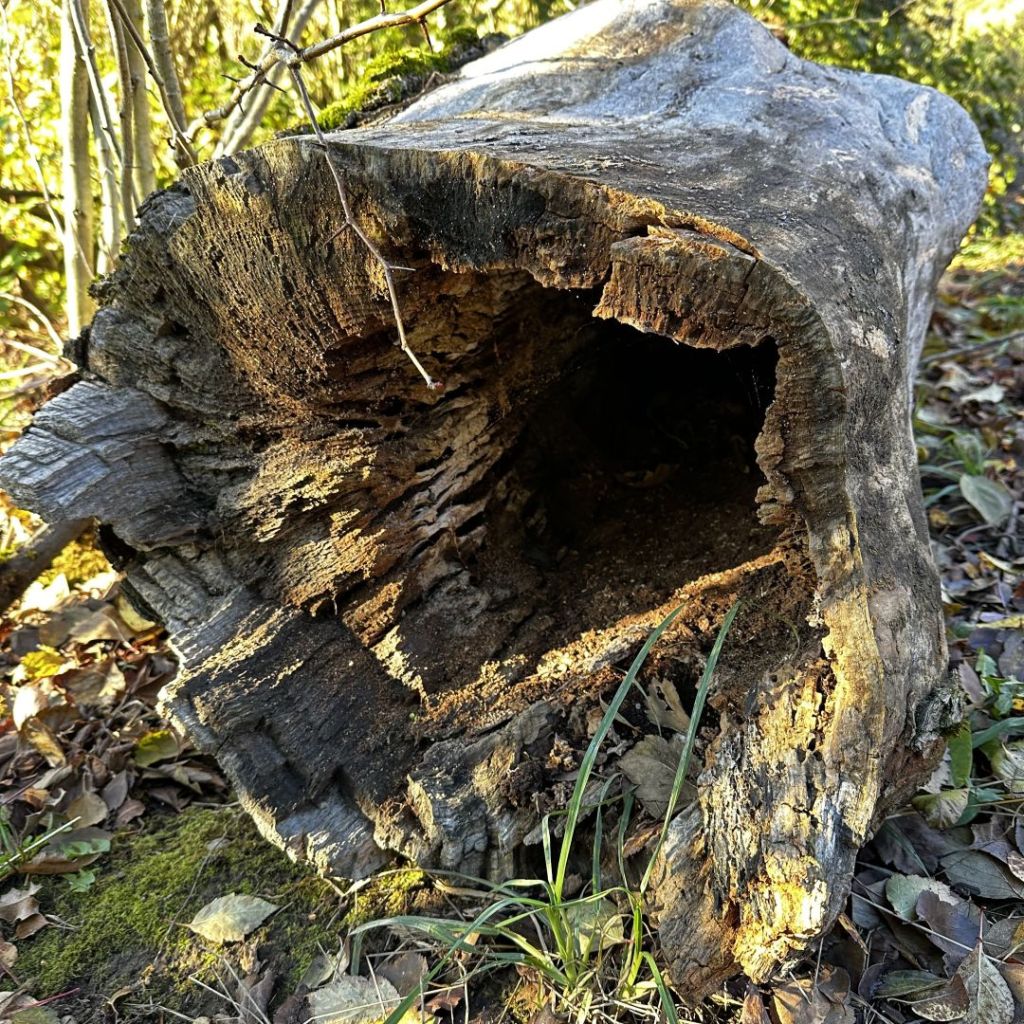
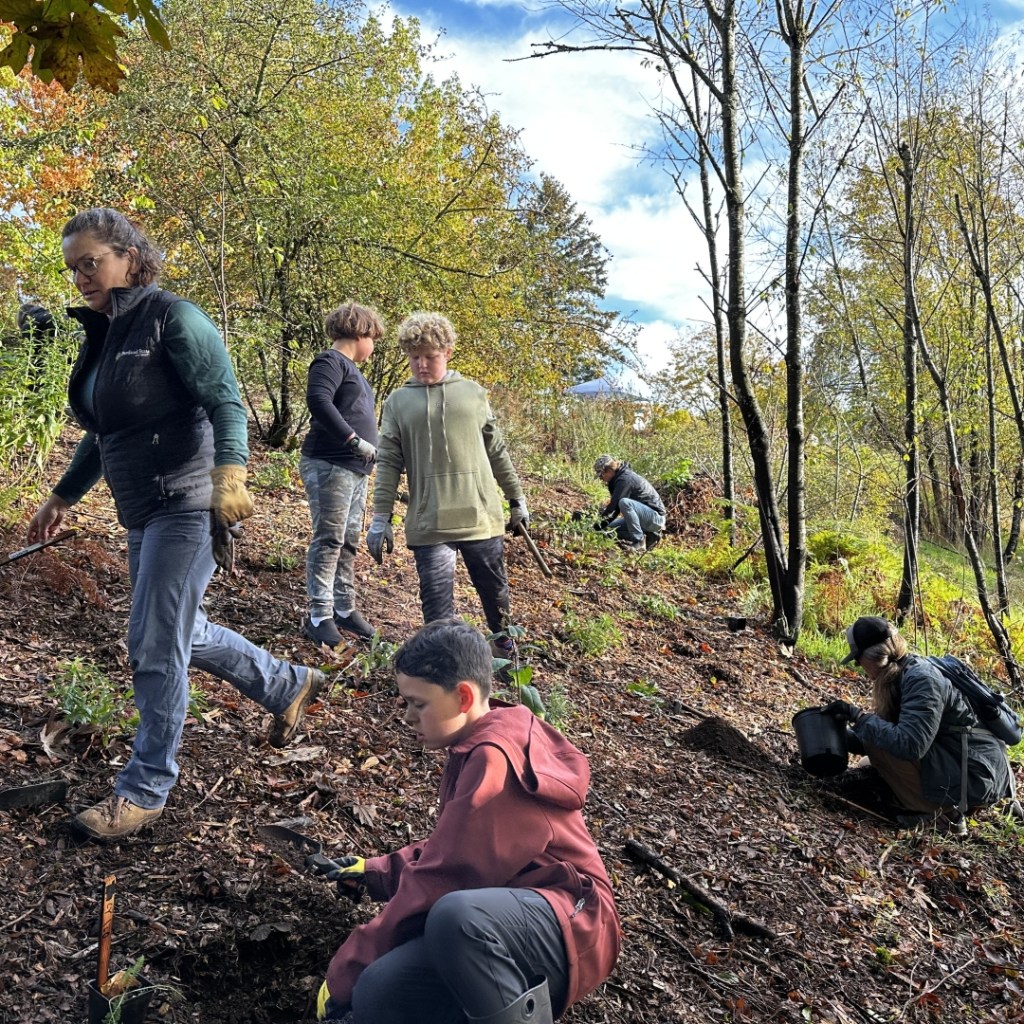
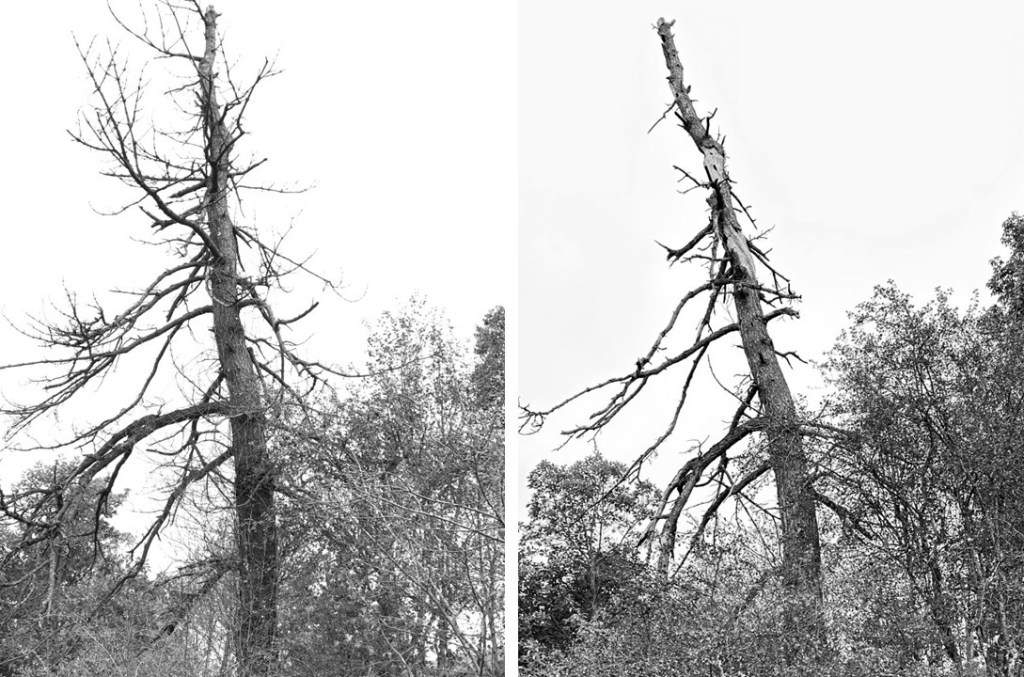
On a Sunday in October, three Rose City Bluff Restoration volunteers were working near the tall snag when crows alerted them to a red-tailed hawk sitting on the top of the snag. Soon the hawk dove to the ground at the base of the snag, then came back up to a lower limb. The hawk had a mouse in its beak. Sad for the mouse but lunch for the hawk. This reminded us that seven years ago the area might have been too thickly covered in blackberry brambles for the hawk to hunt there. One day the snag will fall and the hawks will move on and the mice will have better luck. In the meantime we hope we can continue to keep the area free of brambles and that folks who frequent the bluff trails continue to benefit from the community-wide and ongoing effort to provide access to nature on the golf course, however temporary. Here are two views of the snag, 2019 (left), and with fewer branches and less bark, 2024 (right). There are many more woodpecker cavities now than there were in 2019.

Sap Wells

A close inspection of trees along the bluff, like the apple tree pictured here, will reveal horizontal lines of small holes. What are they, and how did they get there? Woodpeckers! Woodpeckers are quite varied in how they get their food. Our most common woodpecker on the bluff, the Northern Flicker, is mostly a ground feeder, eating ants while nesting in medium-sized tree cavities. Our smallest woodpecker, the Downy Woodpecker, hunts for bugs in the bark of trees. You can often hear it squeaking on the bluff. It regularly nests in holes not much bigger than a half-dollar. Native to Oregon, but not yet seen on the bluff, the Lewis’s Woodpecker catches insects while flying.

The holes in this tree are the work of our native Red-Breasted Sapsucker. While it has a red breast, its striking red head usually makes it stand out. Sapsuckers drill these wells in trees and wait for the sap to come out, which they drink! Sapsuckers return to these wells year after year for their meals. Not only are they popular with sapsuckers, but other birds, including hummingbirds, will also visit the wells if there is sap to drink. Bugs get stuck in the sap, which makes for what must be a delicious treat. Sapsuckers can be found somewhat regularly along the bluff, and seem to become quite conspicuous during snow storms, maybe because they can still get sap, or maybe because of their brilliant red head. Keep a lookout for their wells and the birds this fall to spring! (Thanks to Trask for this post!)

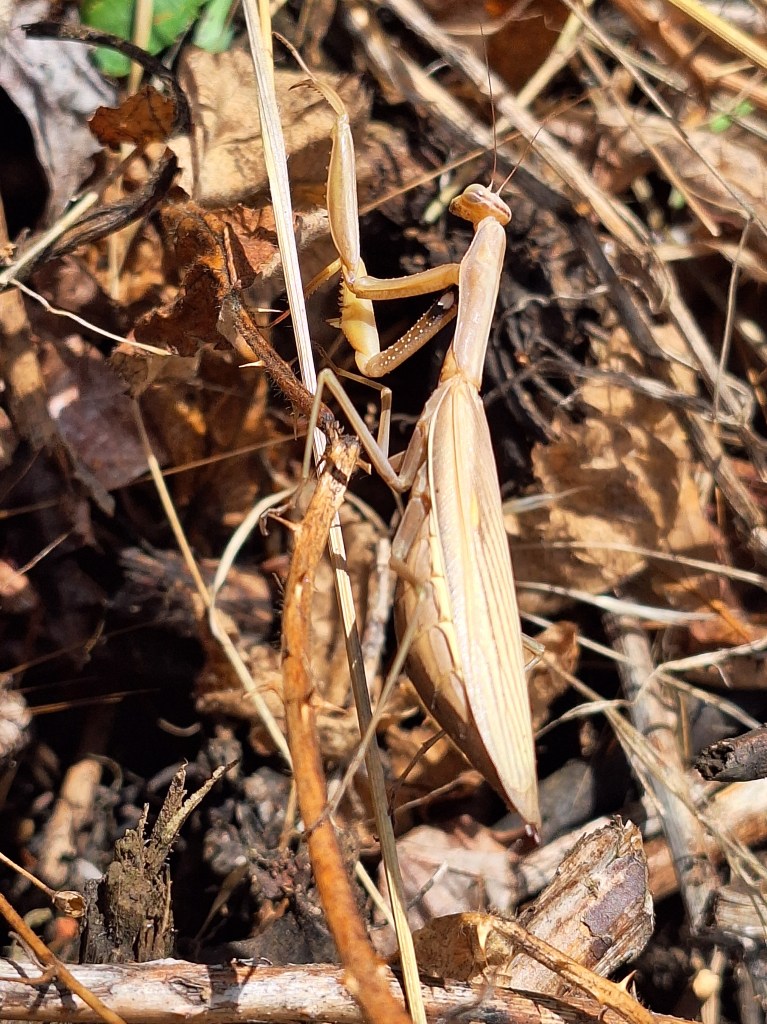
Mantis religiosa

The bluff is a large mix of native, exotic, invasive, thriving, dying, and just-trying-to-exist plants, animals, fungi, and insects. It’s sort of wild, but it also reflects decades of human intervention, both good and bad. Rose City Bluff Restoration tries not to tame it but to create a semblance of what it might have been when it really was wild. So here we have a European mantis photographed last week on the bluff. It has the perfect scientific name, Mantis religiosa. It’s introduced, not native. Mantis egg cases continue to be sold to gardeners, which seems like a really bad idea to us. You can get them through Amazon. It has a bad rep for eating bees. We come down hard on the side of native plants and pollinators, but should we give a pass to this religiosa? Comments and opinions are welcome.

Tip Rooting

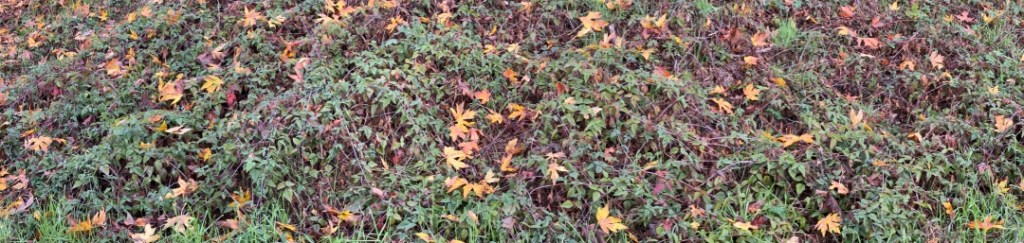
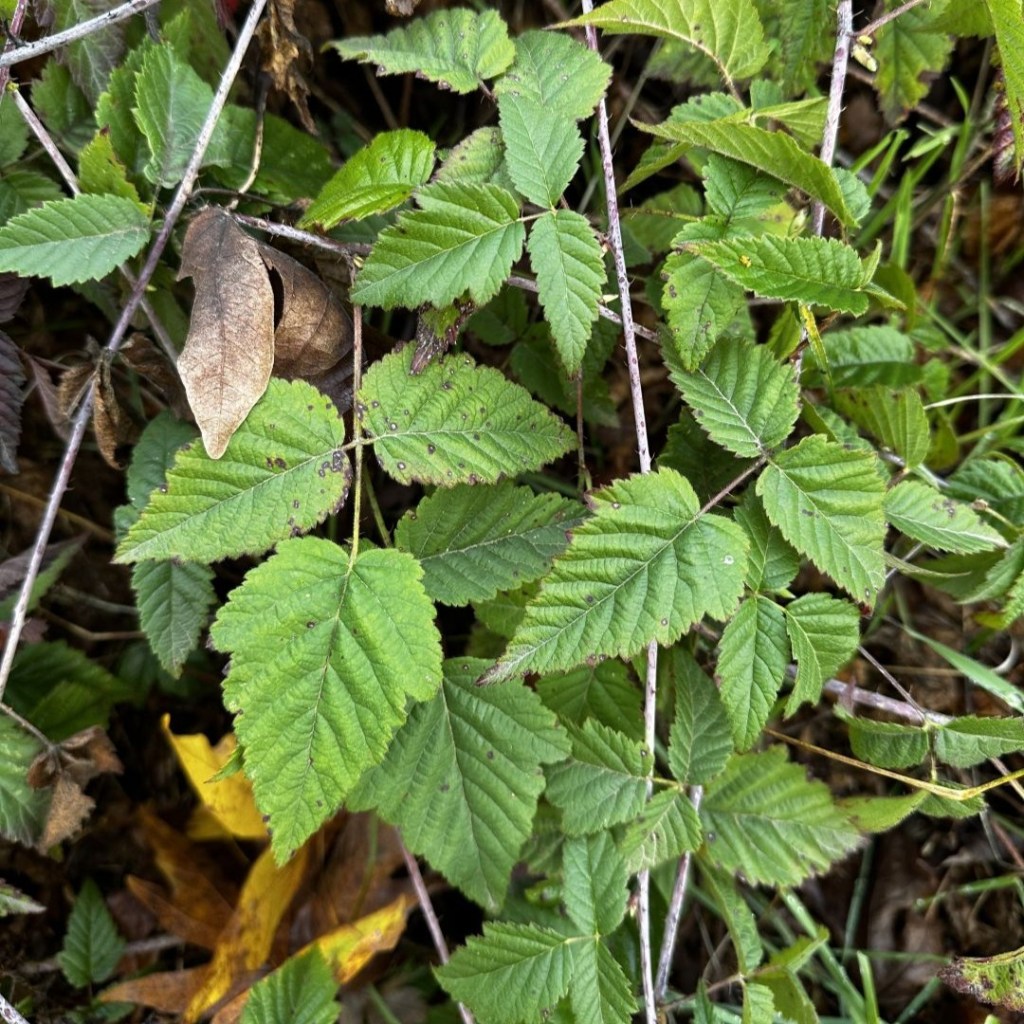
In a few patches on the Bluff, we have uprooted and cleared the invasive Himalayan blackberry to make way for new plantings. But in most areas we rely on repeated clipping as the method of control, to allow native plants to thrive that would otherwise be smothered. Both methods are very labor-intensive. We don’t use herbicides.

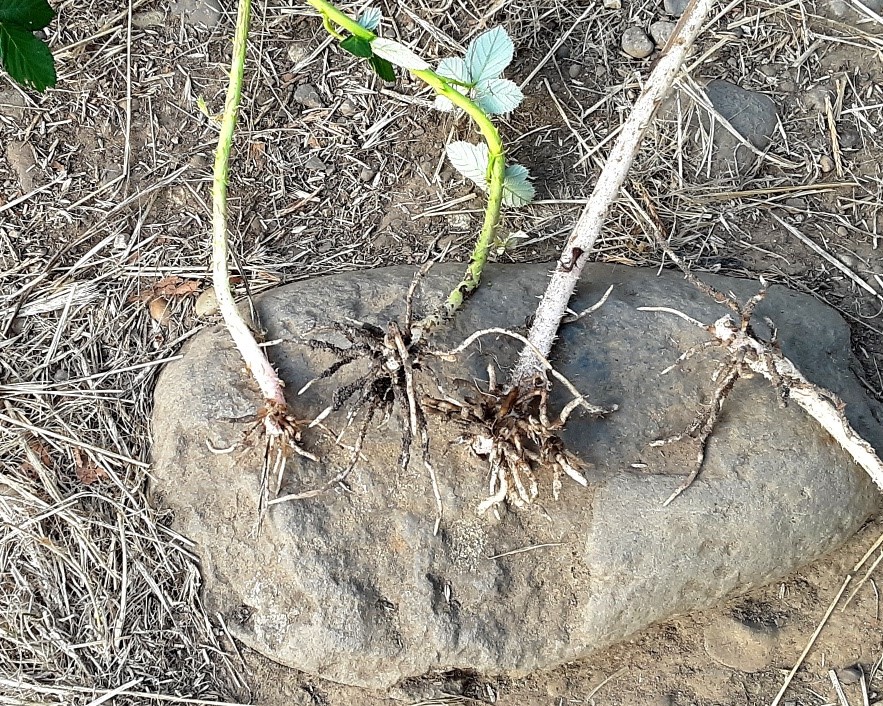
At this time of year, many of the stronger blackberry canes will arc back down to the ground, where the growing tips thicken and begin to sprout new roots ready for the rains to return. Left undisturbed, over the fall and winter these tip-roots will quickly grow and embed themselves, to form distant new growing points in the spring. It’s a very efficient way to cover more ground.

There is never a bad time of year to attack the blackberries, but any clipping we can do in the late summer/fall has the added benefit of stopping this secondary growth phase while the new tip-roots are still easy to lift. Help us continue the fight. You might pick a patch of the Bluff that you love, focus your efforts there and see it transform over the seasons.

Going to Seed

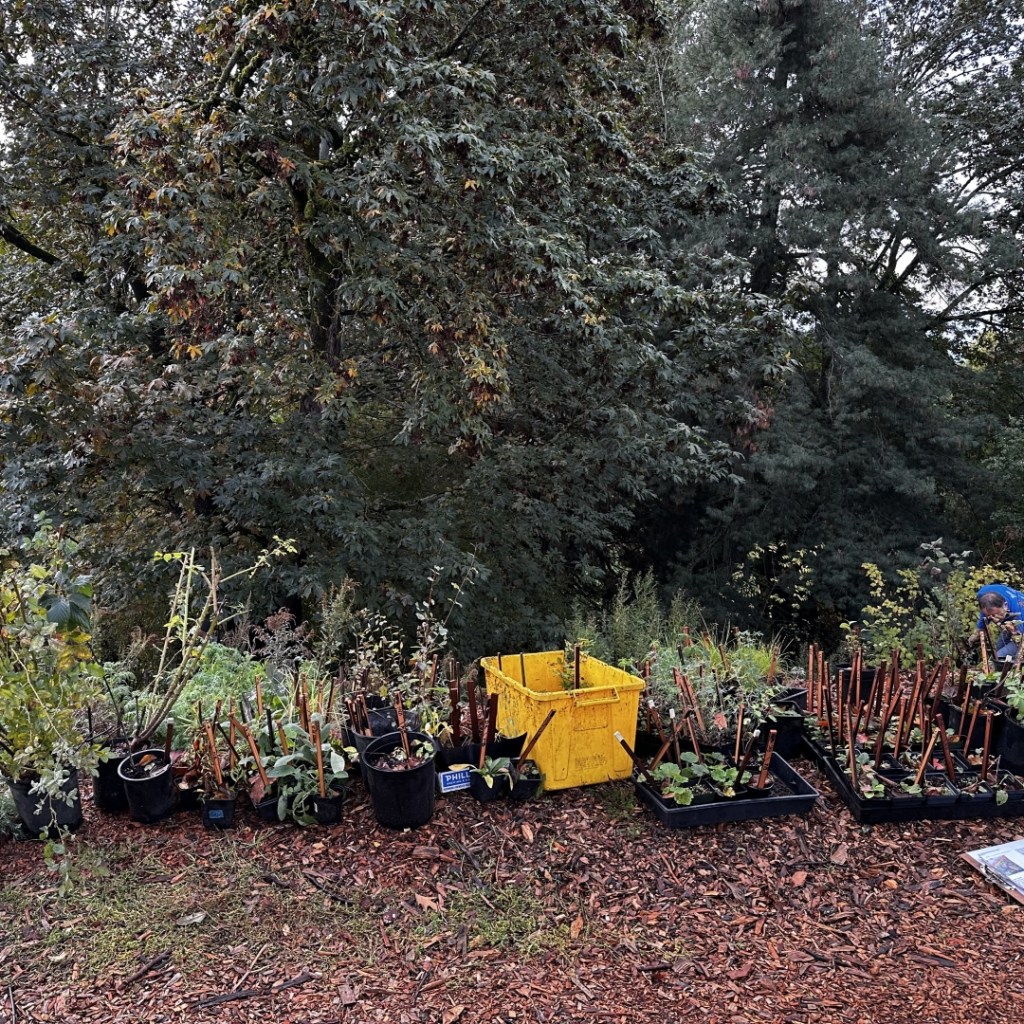
We’re not all patient gardeners or restoration volunteers — some of us, including this “gardener,” are apt to buy a plant, plant it, and done except for occasional watering. As restoration volunteers some are better at clearing blackberries than we are at creating native plant spaces. Patient restoration work takes long range planning, cultivation, and caring for fickle plants. As Greg says, “native plants ain’t tomatoes!” Thank goodness many volunteers that are attracted to projects like Rose City Bluff Restoration have the patience to think and act long term.

Seed collecting and propagation is a perfect example of a restoration project requiring patience — waiting for the right times to gather different seeds, then caring for them properly. As the flowers on our established native plants turn to seed some of us will be looking to save some. Here are a few bluff plants in various stages of making seed. (Check out Going to Seed on Instagram.)

Thistles

Not all thistles are weeds. The Portland Plant List includes at least one, Cirsium hallii, or Hall’s thistle. Cirsium hallii seems to be a synonym for Cirsium edule. According to WeedWise, an invasive weed management program in Clackamas County, there are at least four thistles that are native to western Oregon, including Cirsium edule. Before you pull up a thistle in Portland you might want to use your handy plant app to make sure it’s not Cirsium hallii, Cirsium edule, or one of the other three that are native to Western Oregon (see WeedWise). Native thistles are beneficial especially for pollinators, other insects, and birds. If your thistle is Cirsium arvense or Cirsium vulgare then pull it up. They’re on the Portland Plant Nuisance List.

Pups on the Bluff Calendar

PUPS ON THE BLUFF 2025 Calendar: We want to thank Melanie and Ginger for their Pups on the Bluff 2025 calendar fundraiser. Due to their hard work and the support of many individuals and businesses in the community, RCBR now has two thousand dollars in funding to continue our restoration efforts. These funds, currently held by our fiscal sponsor, will be used in upcoming years to purchase plants, seeds, wood chips, and occasionally tools. Thank you Melanie, Ginger, and the amazing community we live in!

Original Post: Help support Rose City Bluff Restoration and Oregon Friends of Shelter Animals (OFOSA) by purchasing the Pups on the Bluff 2025 Calendar. The $25 calendar features pups and owners who regularly walk the bluff. 
Proceeds will be donated to Rose City Bluff Restoration and Oregon Friends of Shelter Animals. Green Dog Pet Supply, 4327 NE Fremont St, has the Pups On The Bluff Calendar for sale at their store, 
or you can contact wildpups-2025@yahoo.com. Green Dog Pet Supply provides holistic dog and cat food, organic treats, and items made from recycled materials. Support the wildlife and flora along the bluff and give a helping hand to animals who need a forever home. RCBR thanks Melanie and Ginger for their generosity to RCBR and OFOSA!