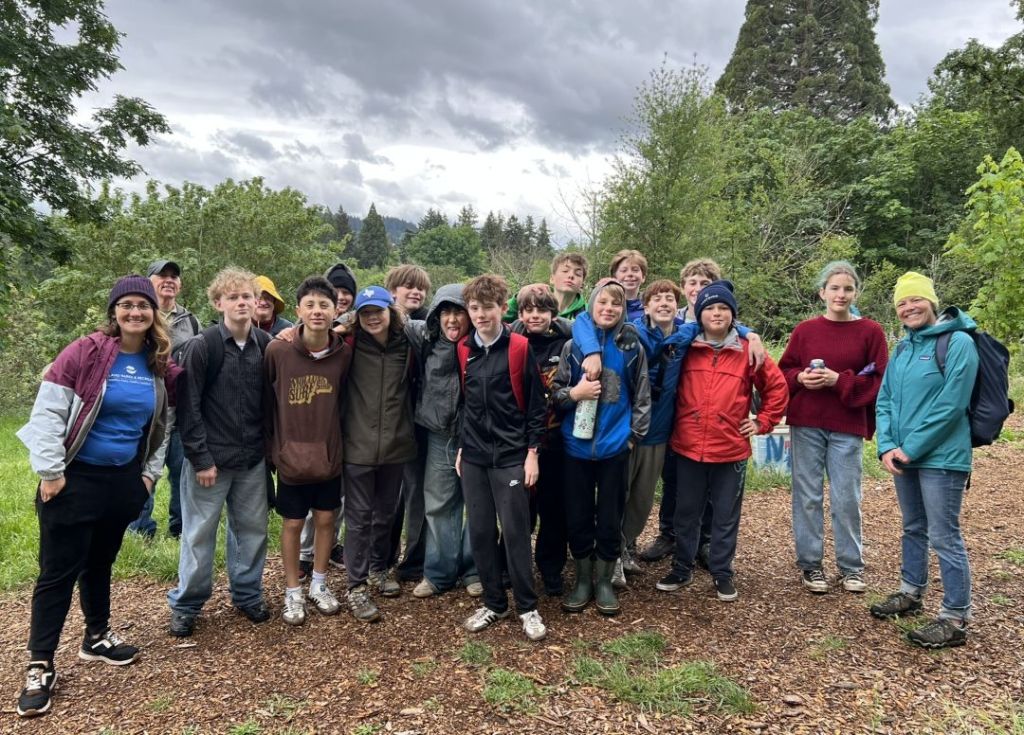
Fifteen students from the Beverly Cleary Middle School came to the Bluff this month to clip blackberry. The thirteen-year-olds all participate in the school environmental education club. Accompanied by their teacher Jennifer Edler and several Bluff volunteers, the students eagerly helped clear a swath of invasive blackberry. They learned how to use loppers, the difference between invasive and native blackberry, and what the stuff that looks like spit on the stems of plants is.
Fewer and fewer people, and especially children, have daily contact with nature, an ongoing alienation that in the late 1970s Robert M Pyle termed the “extinction of experience.” Consequences of the loss of interaction with nature include deteriorating public health and well-being, reduced emotional affinity toward nature, and a decline in pro-environmental attitudes and behavior. If you ask adults what they remember from their own childhood outdoors experiences they would respond with stories involving climbing trees, building huts, hiding in woods, rolling in grass, making campfires.
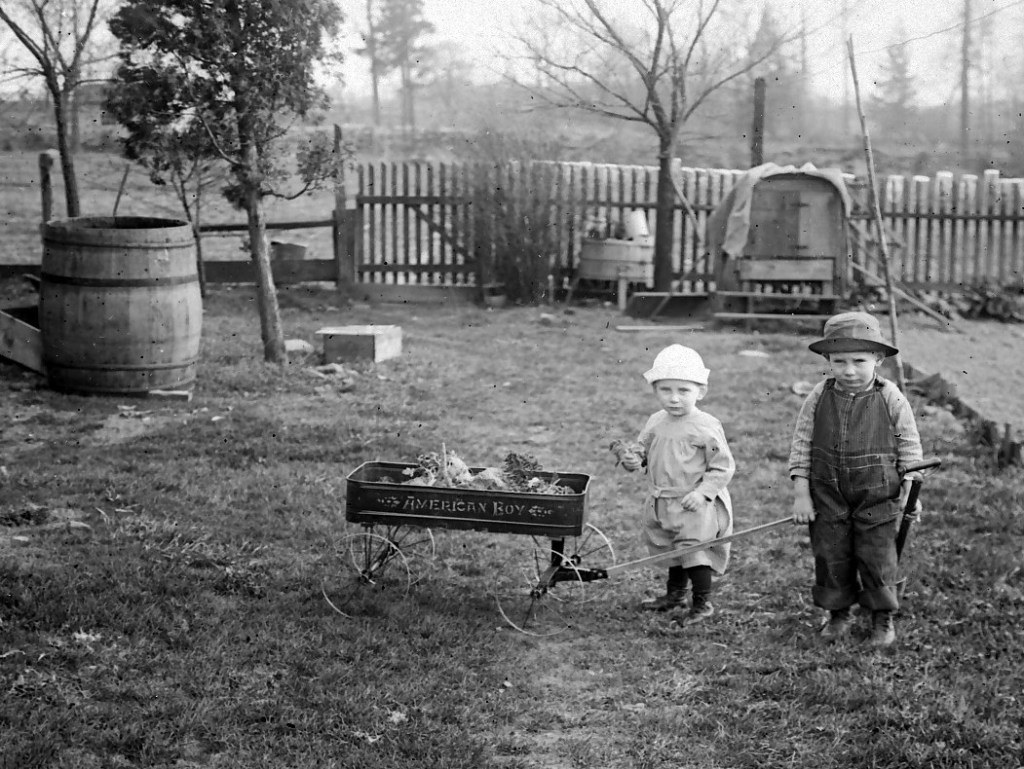
The joyful memories of adventurous and unsupervised play are almost universal among adults alive today. How do we give that to children now? What do we owe the next generation, and what are we actually doing about it? The Beverly Cleary Middle School offers a splendid example of what we as educators, parents and volunteers can do to reverse the extinction of experience.


1 Comment